Product Description
Neutral Grounding Resistors are used for grounding of industrial power system. They
are generally connected between ground and neutral of the transformers , generators
and grounding transformers. Neutral grounding resistors are used in order to limit
maximum fault current to a value which will not damage the equipment in the
power system, yet allow sufficient flow of fault current to operate protective relays to
clear the fault. Although it is possible to limit fault currents with high resistance
Neutral Groundi1ng Resistor, earth short circuit currents can be extremely reduced.
As a result of this fact, protection devices may not sense the fault. Therefore, it is the
most common application to limit single phase fault currents with low resistance
Neutral Grounding Resistor to approximately rated current of transformer and or
generator.
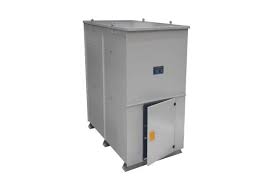
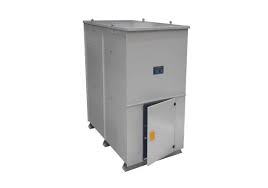
Reliable Protection for Power SystemsNeutral Grounding Resistors (NGRs) safeguard generators and transformers by limiting ground fault currents, thus protecting equipment and personnel. Constructed from robust stainless steel grids and housed in powder coated or stainless steel enclosures, these resistors maintain system stability and ensure compliance with IEC and IS standards.
Versatile Installation and Long LifespanOur NGRs can be installed as floor standing or wall mounted units, providing flexibility for diverse environments. With a weatherproof design (IP23/IP54), these resistors suit both indoor and outdoor locations. They offer a maintenance-free solution with a design life of over 10 years, delivering reliability even in harsh conditions.
Custom-Built for Your System RequirementsEach NGR is available in customizable dimensions, current, and mounting options to match specific power system needs. Choices in material, resistance tolerance, and terminations (M12 brass/copper) ensure compatibility and optimal performance. Cable entry options include bottom, top, or gland plate for convenient integration.
FAQ's of Neutral Grounding Resistance:
Q: How is a Neutral Grounding Resistor (NGR) typically installed?
A: NGRs can be installed as floor standing or wall mounted units, depending on site requirements and available space. The enclosure design is suitable for both indoor and outdoor environments, ensuring adaptability to your facility's layout.
Q: What are the key benefits of using a Neutral Grounding Resistor in power distribution systems?
A: NGRs limit ground fault current in generators and transformers, protecting equipment from damage and enhancing safety. Their robust and corrosion-resistant construction, long service life, and maintenance-free operation make them a cost-effective solution.
Q: When should I use an NGR with a weatherproof enclosure?
A: Weatherproof enclosures (IP23 or IP54) are recommended for outdoor or harsh indoor environments where exposure to moisture or dust is possible, ensuring the resistor's longevity and reliable performance.
Q: Where can Neutral Grounding Resistors be utilized?
A: These resistors are commonly used in power distribution networks, generator and transformer protection, and applications requiring controlled grounding for safety and compliance with electrical standards.
Q: What maintenance is required for Neutral Grounding Resistors?
A: No routine maintenance is required for our NGRs due to their maintenance-free design and durable materials. However, periodic visual inspection is suggested to verify the integrity of terminations and enclosures.
Q: How does the resistance tolerance affect system performance?
A: Resistance tolerance (10% or custom) ensures that the NGR provides precise current limiting, which is crucial for optimal protection of equipment during ground faults. Custom tolerances can be provided based on specific system design requirements.
Q: What makes the resistor elements corrosion-resistant?
A: The resistor elements are made from high-grade stainless steel grids or strips, which offer excellent resistance to corrosion and high temperature, ensuring the NGR remains reliable throughout its operating life.








 Send Inquiry